
Team Dynamics
Assessment
Off-the-shelf leadership programs teach generic skills. Custom programs address your specific leadership challenges. We design and deliver leadership development that's tailored to your organization's culture, strategy, and real leadership gaps.
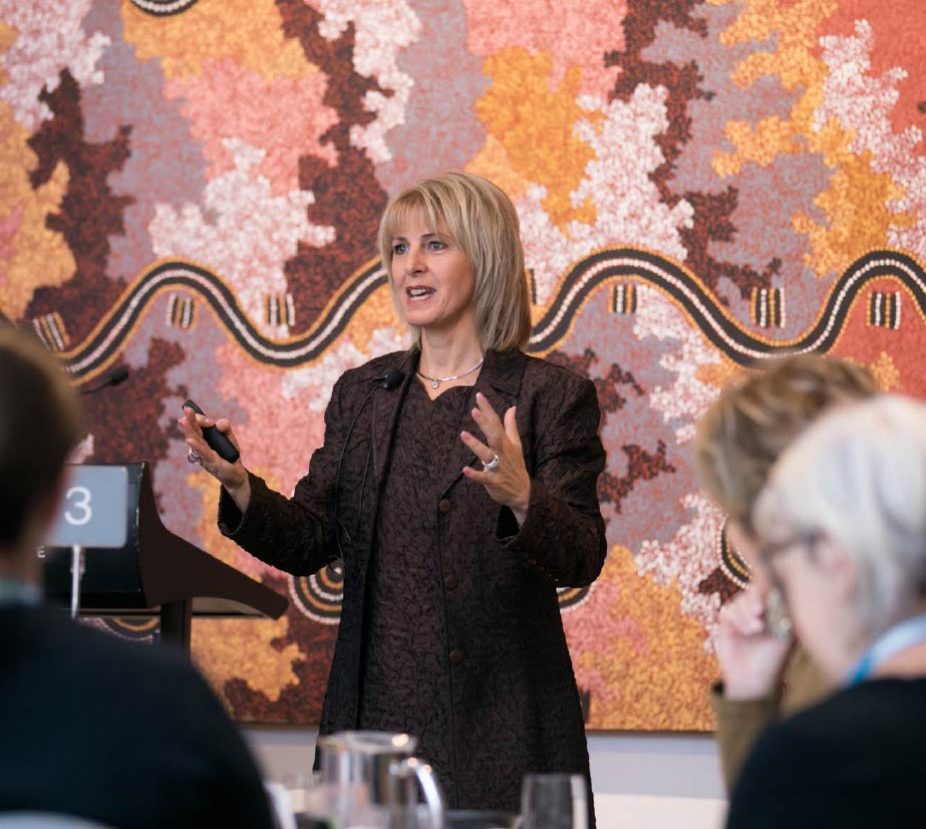
Understanding the Hidden Dynamics
Most team problems aren’t about skills or strategy—they’re about interpersonal dynamics that no one talks about openly.
Who actually has influence? Where is trust broken? What conflicts are festering beneath the surface? Which relationships enable collaboration, and which create friction?
Our Team Dynamics Assessment makes the invisible visible. We use behavioral observation, confidential interviews, 360-degree feedback (rater-identified), and influence network mapping to diagnose exactly what’s driving—or blocking—your team’s performance.
This isn’t a survey. It’s a comprehensive diagnostic that reveals:
- Real influence patterns (not org chart authority)
- Trust levels between team members
- Unresolved interpersonal conflicts
- Communication breakdowns
- Decision-making dysfunction
- Accountability gaps
- Psychological safety issues
- The specific behavioral patterns that need to change
You need a Team Dynamics Assessment when:
| Your team looks good on paper but underperforms in reality | Smart, experienced people who should be crushing it—but somehow can't execute together. |
| Meetings feel productive but nothing changes afterward | Lots of discussion, apparent agreement, then nothing happens. Or decisions get relitigated. |
| There's tension you can feel but can't name | Something's off. People are polite but not honest. Conflicts simmer beneath the surface. |
| Silos are entrenched | Team members protect their turf instead of collaborating. Information doesn't flow. |
| You're about to invest in team development | Before you spend time and money on a team program, you need to know what actually needs fixing. |
| You've tried to fix the team but nothing's working | You've done team building, offsites, workshops—but the dysfunction persists because you haven't diagnosed the root cause. |
| New leadership needs to understand team dynamics quickly | A new leader joining the team needs rapid insight into the real dynamics, not just what people say in introductions. |
How It Works
100% Online & Live | 4 x 120 minute Interactive Labs | Real-time coaching + Peer Learning
Week 1: Data Collection
We gather multiple perspectives on team dynamics:
- Confidential One-on-One Interviews: We interview each team member individually to understand their perspective on what's working and what's not. People tell us things they'd never say in a group setting.
- Behavioral Observation: We observe the team in action—in meetings, working sessions, and informal interactions. We watch how people actually behave, not just what they say.
- 360-Degree Feedback (Rater-Identified): Each team member receives feedback from their colleagues—not anonymous, because real feedback requires accountability and enables dialogue.
- Influence Network Mapping: We map who actually influences whom on the team. Who do people go to for advice? Whose opinion matters? Who has informal power?
- Team Effectiveness Assessment: We assess the team across critical dimensions: trust, communication, decision-making, accountability, conflict resolution, and psychological safety.
Week 2: Analysis
We analyze all the data to identify patterns:
- Where are the trust breakdowns?
- What interpersonal conflicts are driving dysfunction?
- Who has real influence vs. formal authority?
- What communication patterns are creating problems?
- Where are the accountability gaps?
- What specific behaviors need to change?
We don't just identify problems—we diagnose root causes.
Week 3: Debrief and Recommendations
Executive Debrief (CEO/Team Leader)
We present our findings to the team leader first. We show them exactly what we found and what it means. This gives them context before the team debrief.
Full Team Debrief
We present our findings to the entire team. This is often uncomfortable—we show the team the patterns they’ve been living but not naming. But it’s also clarifying. For the first time, everyone sees the same picture.
Recommendations
We provide specific, actionable recommendations:
- What needs to change (specific behaviors, not vague aspirations)
- How to address interpersonal conflicts
- How to rebuild trust where it's broken
- What interventions will have the most impact
- Whether the team needs intensive work or lighter-touch support
What You Get
Early Bird Pricing - Ends November 30

Comprehensive Team Diagnostic Report
Detailed analysis of team dynamics across all dimensions assessed, with specific findings and evidence.
Influence Network Map
Visual representation of who actually influences whom on your team—the invisible power structure.
Individual 360 Feedback Reports
Each team member receives their own feedback report showing how they’re perceived by colleagues.
Team Effectiveness Scorecard
Quantified assessment of team performance across trust, communication, decision-making, accountability, and psychological safety.
Prioritized Recommendations
Specific, actionable recommendations for what needs to change and how to change it.
Implementation Roadmap
Clear next steps—whether that’s intensive team development, leadership coaching, conflict resolution, or ongoing support.
Executive Debrief Session
Private session with team leader to review findings and prepare for team debrief.
Full Team Debrief Session
Facilitated session where we present findings to the entire team and begin the conversation about what needs to change.
Who It's For
Leadership Teams
Executive teams or senior leadership teams where dysfunction has high organizational impact.
Critical Project Teams
Teams working on strategic initiatives where performance matters and dysfunction is blocking progress.
New Teams
Newly formed teams (post-merger, reorganization, or new initiative) that need to understand their dynamics early.
Struggling Teams
Teams that have tried to improve but can’t seem to break dysfunctional patterns.
High-Stakes Teams
Any team where the cost of dysfunction is high—revenue impact, strategic risk, or talent loss.
The assessment is often the first step in a larger engagement:

High Performance Team Sprint
If the assessment reveals significant dysfunction, the team typically needs our intensive 12-week High Performance Team Sprint to address root causes and build new patterns.

Custom Team Program
If the team needs targeted work on specific issues (conflict resolution, decision-making, accountability), we design a custom program.

Ongoing Team Coaching
If the team is functional but wants to level up, ongoing coaching and facilitation can help them continue improving.

Leadership Coaching
Sometimes the assessment reveals that the team leader needs individual coaching to shift their leadership approach.
Investment & Timeline
Timeline: 2-3 weeks from kickoff to final debrief
Investment: Contact us for pricing based on team size and scope
Ready to Understand What's Really Happening on Your Team?
The assessment is often the first step in a larger engagement:
| Option 1: High Performance Team Sprint | If the assessment reveals significant dysfunction, the team typically needs our intensive 12-week High Performance Team Sprint to address root causes and build new patterns. |
| Option 2: Custom Team Program | If the team needs targeted work on specific issues (conflict resolution, decision-making, accountability), we design a custom program. |
| Option 3: Ongoing Team Coaching | If the team is functional but wants to level up, ongoing coaching and facilitation can help them continue improving. |
| Option 4: Leadership Coaching | Sometimes the assessment reveals that the team leader needs individual coaching to shift their leadership approach. |
Our coaches are:
- Behaviorally Focused: We care about what you do, not just what you think
- Direct but Supportive: We give you honest feedback while supporting your development
- Contextually Intelligent: We understand organizational dynamics, not just individual psychology
- Evidence-Based: We use proven behavioral science, not pop psychology
- Results-Oriented: We measure success by your increased effectiveness, not by how many sessions we have
We are not:
- Therapists (we don’t work on personal issues unrelated to leadership)
- Mentors (we don’t tell you what decisions to make)
- Cheerleaders (we don’t just affirm what you’re already doing)
- Consultants (we don’t do the work for you)
